As of 2024, 55% of adult Social Security beneficiaries were women. Also, approximately 40% of women aged 62 and older in the United States were receiving at least some of their Security benefits based on the earnings record of a spouse or ex-spouse. These spousal and survivor benefits are more common for women, who often have lower lifetime earnings, live longer, are less likely to have a pension or 401K, or spent time out of the workforce.
How Benefits Are Calculated
Benefits are based on lifetime earnings. Social Security calculates average indexed, monthly earnings during the 35 years in which the worker earned the most. A formula is applied to these earnings to arrive at a basic benefit or primary insurance amount.
Actual earnings are indexed to reflect the change in general wage levels that occurred during a worker’s years of employment. Such indexation ensures that a worker’s future benefits reflect the general rise in the standard of living that occurred during a working lifetime. If a spouse worked and paid taxes into the Social Security system for at least 10 years and earned a minimum of 40 work credits, collection of Social Security benefits can start as early as age 62.
The average monthly payout for all retired workers was about $2,008 in August 2025, according to the Social Security Administration (SSA), while those claiming spousal benefits received an average check of about $955.
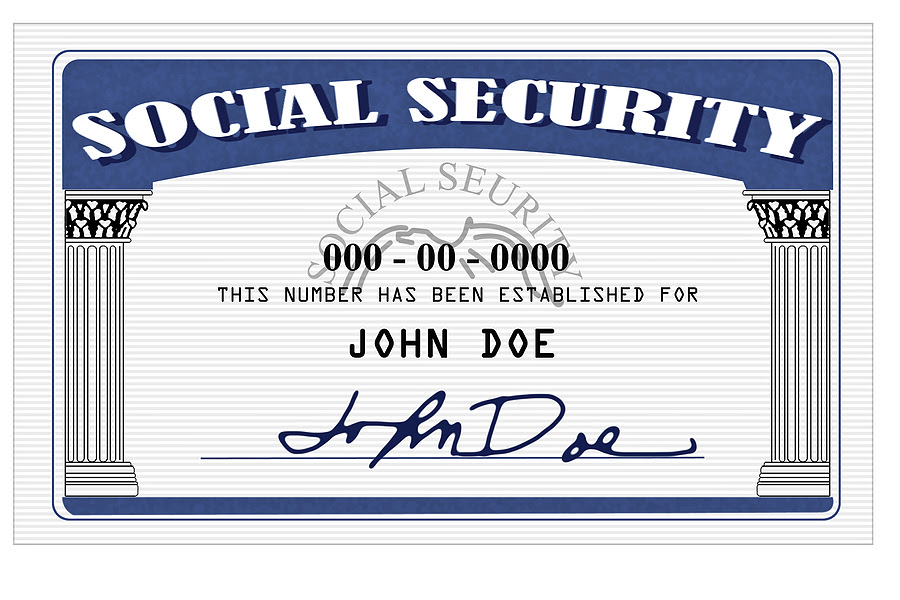
It is critical that a spouse’s name and Social Security number on the Social Security card agree with the employer’s payroll records and W-2 form. (It’s also vitally important if a name change has occurred.) This will ensure that Social Security can correctly credit earnings to the record. It is up to you to make sure that both Social Security records and the employer’s records are correct. By signing up for a personal “my Social Security” account on the SSA website, you can verify that the earnings are correct.
How Benefits Work
Social Security benefits can include:
- Retirement benefits paid to retired workers as early as age 62.
- Disability benefits are paid to workers of all ages. In some cases, a young worker may qualify for a disability benefit with as little as 18 months of work.
- Family benefits are paid to the spouse and children of retired workers or workers with disabilities.
- Survivors’ benefits paid to the surviving spouse and children of a deceased worker. In some cases, the family of a young, deceased worker can receive these benefits even if the worker had as few as 18 months of work.
- Medicare, which helps with hospital bills and provides limited coverage for skilled nursing facility stays and hospice care. Medicare can also cover doctors’ services and prescription drugs.
If you are married and you and your spouse have both worked and earned enough credit individually for Social Security, you will each receive your own benefit.
A wife with no work record or low benefit entitlement on her own work record is eligible for between one-third and one-half of her spouse’s Social Security benefit. For spouses to receive the benefit, they must be at least age 62 or care for a child under age 16 (or one receiving Social Security disability benefits). In addition, spouses cannot claim the spousal benefit until the worker files for their benefit.
Divorced or Widowed?
Divorced women who were married at least 10 years may be eligible for Social Security based on their ex-spouse’s record. This applies if they are unmarried and not entitled to a higher benefit on their own record when they become eligible for Social Security.
Any benefits paid to a divorced spouse do not reduce payments to the ex-spouse or any payments due to the ex-spouse’s current spouse. Some women may sign divorce decrees relinquishing their rights to Social Security on their ex-spouse’s record. According to the Social Security Administration, those clauses in divorce decrees are rarely enforced.
A widow is eligible for between 71% (at age 60) and 100% (at full retirement age) of what the spouse was getting before they died. Generally, you must be married for one year before you can get a spouse’s benefits. However, if you are the parent of a child with your spouse, the one-year rule does not apply.
You are also entitled to a $255 lump sum death payment if you were living with your spouse when they died.
Conclusion: What to Claim, and When
If you are eligible for survivor and another benefit, you can choose the payment that’s best for you. The payments won’t be added together. If you are getting benefits based on your own work history, Social Security will check to see if you can get more money as a surviving spouse. If so, you’ll get a combination of benefits that equals the higher amount.
Your financial adviser can help you understand how your Social Security income fits into your retirement plan and, in conjunction with your tax professional, decide when it might make the most sense for you to claim your benefits. You should always check with Social Security to be sure of your benefits you are entitled to.
As always, if you have any questions about this report or any other questions, please reach out to Bowen Asset at info@bowenasset.com or (610) 793-1001.
Disclaimer: While this article may concern an area of investing or investment strategy in which we supply advice to clients, this document is not intended to constitute a complete description of our investment services and is for informational purposes only. It is in no way a solicitation or an offer to sell securities or investment advisory services. Any statements regarding market or other financial information are obtained from sources which we and/or our suppliers believe to be reliable, but we do not warrant or guarantee the timeliness or accuracy of this information. All expressions of opinion reflect the judgement of the author on the date of publication and are subject to change.
Bowen Asset Management LLC is registered as an investment advisor and only transacts business in states where it is properly registered or is excluded or exempted from registration requirements. Past performance should not be taken as an indicator or guarantee of future performance, and no representation or warranty, express or implied, is made regarding future performance. As with any investment strategy or portion thereof, there is potential for profit as well as the possibility of loss. The price, value and income from investments mentioned in this report (if any) can fall as well as rise. To the extent that any financial projections are contained herein, such projections are dependent on the occurrence of future events, which cannot be predicted or assumed; therefore, the actual results achieved during the projection period, if applicable, may vary materially from the projections.